Wastering Dog Training from Home: A Comprehensive Guide.

Imagine stepping into your living room and hearing the soft whirr of a clicker, followed by your eager pup responding promptly to a new command — right in the comfort of your home. This serene scene highlights the joys and immense potential of training your dog without leaving your living room. With an ever-growing body of research showing that owner-led training sessions can increase obedience by around 60%, there’s solid evidence that hands-on, in-home approaches yield remarkable results — even outperforming some professional methods when consistency and personalization come into play ZipDo Education Report 2025.
At its core, training from home harnesses the familiarity of your environment to create a safe, low-stress learning space. Dogs often learn faster when they're relaxed, and eliminating the distractions found in group classes—like unfamiliar dogs or overwhelming noise—can boost focus and retention Focused Dog Training. Imagine a timid pup who freezes in a crowded class but excels when one-on-one instruction comes right to their living room. That difference isn’t just theoretical—it’s real, and it’s powerful.
Concrete examples bring this strategy to life. Consider using a smartphone app to guide structured practice with your puppy. One 2025 study of the Zigzag puppy training app showed significant reductions in common behaviors—like chewing, house soiling, and noise fears—when owners followed the program regularly, illustrating how digital tools can augment home-based methods effectively American Animal Hospital Association. In another heartfelt story, a rescue dog named Bella transformed with tailored at-home sessions; her training program was crafted to match her intelligence and energy, and it delivered results where traditional classes had failed The Trusted Companion.
Ultimately, training at home offers the flexibility and personalization many households crave. With no commute and lessons in real-life scenarios—like calm greetings at the door or polite leash walking — this approach fits naturally into daily routines. As we explore how to build an effective plan, keep in mind that combining structured guidance with consistency in your own space can transform both behavior and your bond with your dog.
Maximizing Convenience and Results with At‑Home Training
Transitioning from the previous discussion of personalized rhythm and structure, focusing on at‑home methods lets owners apply lessons directly in the real-life setting where behaviors happen. Training in the comfort of your own home eliminates distractions found in unfamiliar environments and enables implementation of guidance in the exact contexts where behavior challenges arise. According to Petworks, in-home training sessions allow trainers to observe a dog’s natural cues and habits firsthand, leading to strategies tailored to its temperament and environment — as opposed to broad approaches applied in group classes blog.petworks.com.
Owners who engage directly in their dog’s learning process benefit not just from the convenience but also from strengthened communication. A 2025 report shows that approximately 65% of dog owners train their pets at home—a method linked to a 40% lower incidence of behavioral problems zipdo.co. These numbers underscore how accessible home-based routines contribute to significant behavioral improvements while also reinforcing owner involvement and confidence.
Technology plays an increasingly supportive role for pet parents in managing dog training from home. Apps such as Zigzag provide structured, breed-specific training modules and deliver reminders and real-time support — making behavior change more achievable and scalable. A 2025 study involving 367 puppy owners showed that app users reported reduced incidents of house soiling, chewing, barking, and noise-related fears compared to non-users, especially when they followed the app consistently aaha.org.
Real‑World Application: A Hybrid Model
- Imagine a busy professional using an app like Zigzag each evening to work on desensitization to doorbells or handling exercises. By pairing those guided digital lessons with short sessions in the living room, they wear down unwanted habits and reinforce calm responses.
- Another example involves an owner noticing their dog overreacts to grocery bags. With in-home training, a trainer can replicate that scenario (bags dropped at the door) and coach the owner through exercises right in that exact moment—accelerating behavior adjustment.
These real-world examples illustrate how combining structured tools and personalized at-home work fosters consistency and deepens the bond between owner and pet. Owners see tangible improvements not just in obedience but in daily harmony, proving that behavior change grounded in context becomes lasting.
By blending familiar surroundings, real-time feedback, and technology-supported guidance, the in-home method presents a holistic, accessible, and highly effective path to dog training — especially for those seeking both convenience and real results.
Benefits and Practical Strategies for Training at Home
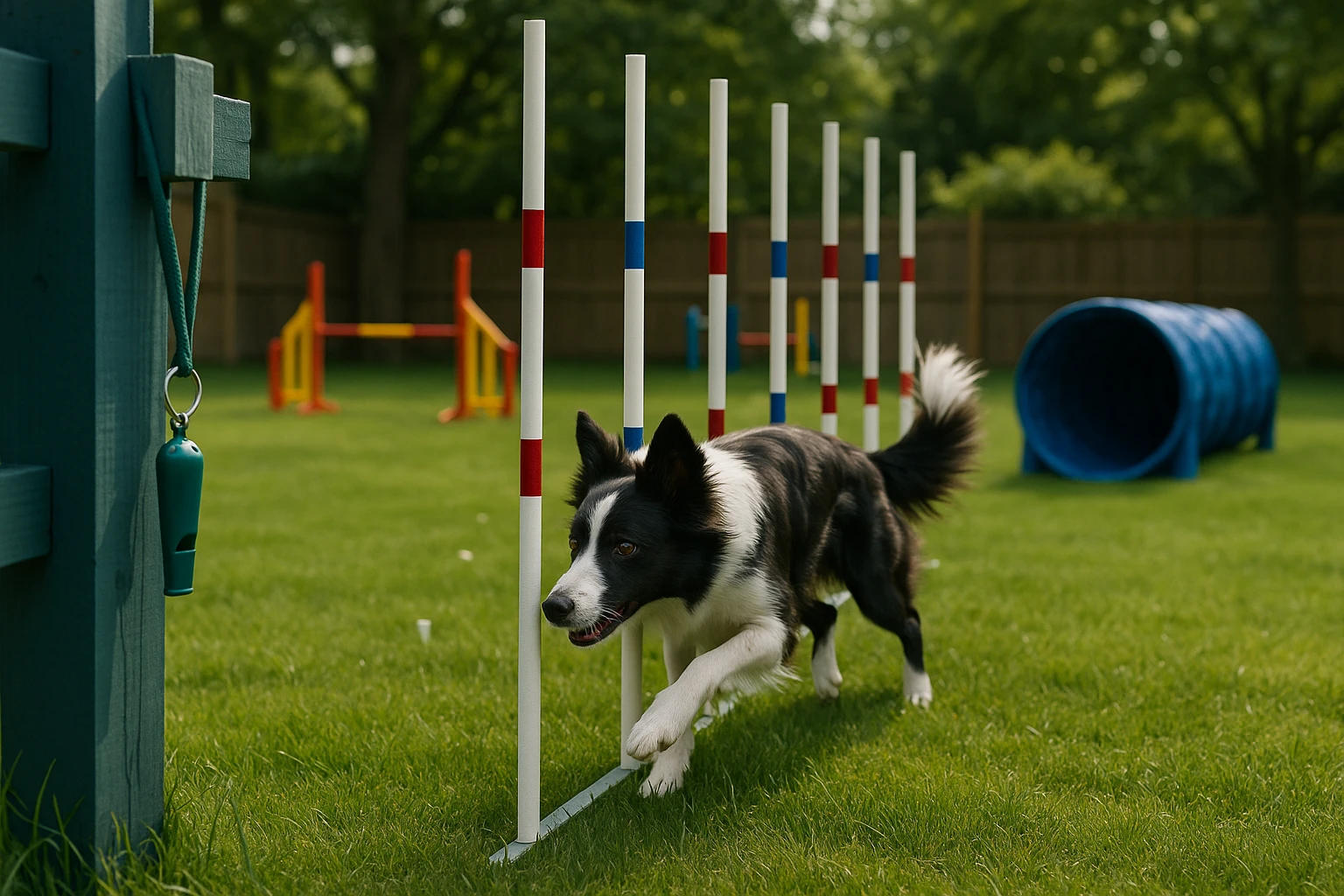
Leveraging Familiar Environments for Better Learning
When training takes place in the comfort of your home, dogs often learn more effectively because they are relaxed and familiar with the surroundings. In-home training minimizes environmental stressors, especially for shy or reactive dogs, allowing them to focus and respond more consistently. Trainers can also observe behaviors in real-world contexts — like window barking or greeting guests — and tailor solutions that directly apply to those situations. This hands-on adaptation boosts both efficiency and lasting results.
Owner Involvement: Building Skills and Strengthening Bonds
Actively participating in your dog’s training — not just observing — is a cornerstone of success. Engaging in the process develops your own handling skills, communication style, and confidence as a trainer. In fact, collaborative sessions where owners work alongside coaches at home can deepen understanding, reinforce consistency, and foster a stronger bond with your pup. Real-world examples show that owner-led training sessions significantly boost obedience, with one report noting that approximately 65% of dog owners train their pets at home, and such dogs exhibit 40% fewer behavioral issues compared to those without regular training zipdo.co.
Cost-Effectiveness Meets Flexibility
In-home training or using virtual tools offers both economical and scheduling flexibility benefits. Without needing to commute or pay for gym-like facilities, owners save time and money. Plus, digital training options are on the rise. A recent market analysis found that around 65% of dog owners now train at home, and digital training programs boast a 55% completion rate—higher than traditional in-person classes — thanks to their flexibility and convenience zipdo.co.
Combining At-Home Techniques with Digital Support
Many owners merge in-person, at-home training with online tools for the best of both worlds. Mobile apps, for instance, can reinforce techniques or address puppy behaviors early on. A 2025 study of a puppy training app found that participants experienced noticeable reductions in behaviors such as house soiling, chewing, barking, and noise fear after completing the app’s structured content aaha.org. When paired with real-world at-home practice, these digital tools can significantly enhance consistency, and progress becomes more measurable and sustainable.
Best Practices for Sustainable At-Home Training Success
- Keep training sessions short and consistent — aim for 15–20 minutes at a time to maintain your dog’s engagement and attention span.
- Use positive reinforcement. Reward-based approaches offer up to 80% success rates, are widely preferred by trainers, and help prevent stress- or aggression-related behaviors zipdo.co.
- Track your dog’s progress using simple logs or app features to celebrate milestones and refine techniques.
- Simulate real-world situations at home — like entering through the door or hearing the doorbell — to reinforce commands and good manners in everyday contexts.
By combining owner involvement, familiar environments, cost-effective scheduling, and tech-backed reinforcement, training becomes more effective, enjoyable, and sustainable — for both you and your dog. This refined approach helps build lasting habits, solid communication, and a resilient partnership that goes well beyond the training mat.
Tailoring Training to Your Home Environment for Lasting Results
Moving smoothly from familiar surroundings into purposeful learning, training your dog in its own space unlocks a host of specific advantages. Dogs are inherently more relaxed when surrounded by known sights, sounds, and smells, allowing for more focused learning. Trainers working in the home can observe behavior in the exact setting where issues arise — whether it's door-dashing or counter-surfing— and tailor strategies directly to those scenarios, ensuring the training sticks. This real‑life context-based approach significantly boosts the relevance and retention of lessons both for your dog and you thetrustedcompanion.com.
Personalized Attention Meets Deep Insight
In a home setting, your dog benefits from undivided focus during training sessions. Unlike group classes where trainers split their attention among several dogs, private in-home sessions deliver highly personalized instruction that aligns with your dog’s temperament, energy level, and learning pace. This means issues—like excessive barking or anxiety around visitors—can be proactively addressed with customized methods that wouldn’t be possible in a general class setting petworks.com.
Building Bonding Through In-Home Interaction
Introducing training into the comfort of your own home naturally strengthens the emotional connection you share with your dog. When you're both relaxed and actively participating, communication improves, and trust deepens. Involved family members can reinforce consistent cues across daily routines, creating a cohesive environment where positive behaviors flourish and the human-animal bond is reinforced daily blog.petworks.com.
Clear, Efficient Learning with Positive Reinforcement
Experts consistently advocate for reward-based training methods, which foster better responsiveness and maintain high ethical standards. A rigorous study comparing training approaches found that dogs taught using positive reinforcement responded more reliably, with shorter delays and fewer cues needed, than those trained using electronic collars — even by experienced trainers. This demonstrates that humane approaches not only safeguard welfare but also produce more effective outcomes pubmed.ncbi.nlm.nih.gov. In the calm of your home, such methods shine brightest by emphasizing trust, clarity, and consistency.
By adapting instruction to your home, embracing personalized, reward-centric techniques, and co‑training as a family, you set the stage for solid behavioral progress. This natural transition from general guidance into tailored, in‑home learning brings the practices from “dog training from home” to life — resulting in smoother days, stronger bonds, and enduring results.
Conclusion: Final Thoughts and Next Steps
After exploring every aspect of training your dog at home—from tailoring sessions to your dog’s individual temperament, to leveraging technology-enhanced tools for consistency—you’re now equipped with strategies that make a real difference. Real-world data confirms the effectiveness of owner-led training: 65% of dog owners train at home, and those dogs have 40% fewer behavioral issues compared to those without such routines zipdo.co. By investing in concise, consistent efforts—even 15-minute daily sessions—you set yourself and your canine companion up for success.
Key Takeaways You Can Put to Work Today
- Start small, stay consistent. Many dogs show signs of obedience in as little as one month, and crate training can cut house-training time by up to 50% zipdo.co.
- Use reward-based methods. Clicker or treat-based reinforcement has been shown to accelerate learning speed by 25% and slash problem behaviors by up to 80% when applied consistently zipdo.co.
- Train in a familiar setting. Your dog is more relaxed in its own environment, enhancing focus and learning. This helps address common issues like anxiety and leash reactivity faster and more effectively blog.petworks.com.
- Involve your whole household. Consistent cues from all family members reduce confusion and reinforce the behaviors you’re reinforcing—as seen in many successful in-home training stories thetrustedcompanion.com.
Bringing these elements together transforms your home into an effective training ground. For instance, a family that implemented short daily sessions using treat-based reinforcement in their living room reported calm, confident recall from their Labrador within three weeks. Or consider the Jack Russell whose owner-led home training improved its obedience by 60% in real-world scenarios—remarkable gains from the comfort of home zipdo.co.
Your Next Steps
Begin by mapping out a practical routine that fits your lifestyle — perhaps brief sessions during breakfast or after work. Monitor progress with a simple journal or app to track successes and challenges. If complex behaviors arise or you hit a plateau, consider supplementing with virtual training tools or short consultations with certified trainers. And remember, the stronger your consistency, the stronger your results—because evidence shows success depends 65–80% on daily owner engagement gitnux.org.
Ultimately, by embracing a structured, compassionate approach to dog training from home, you're not simply teaching commands — you’re nurturing confidence, deepening your bond, and shaping a lifelong companion. The journey starts with small, intentional actions today, leading to big transformations tomorrow. Take the first step — your dog is ready when you are.
© dog-training.me - All rights reserved. | Imprint + Privacy Policy