Online Dog Training for Anxious Dogs: A Balanced Perspective.
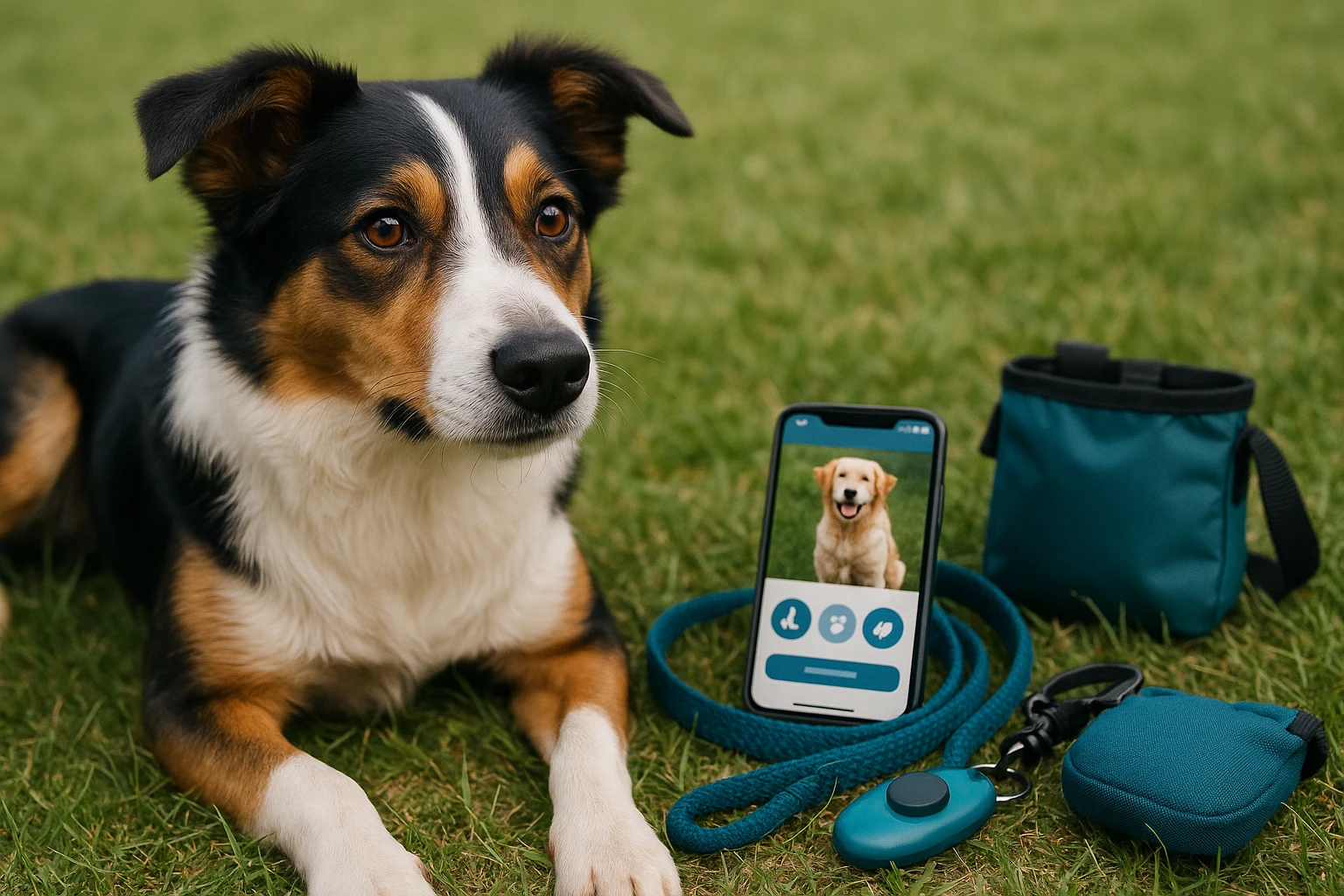
In today's digital age, the convenience of online learning has extended to our furry friends. As more pet owners seek remote solutions for behavioral issues, the demand for online dog training grows. But can online dog training truly address the challenges faced by anxious or fearful dogs? It's important to delve into both the potential benefits and limitations to provide a balanced view.
Online dog training offers a plethora of resources, including video tutorials, expert articles, and guided training sessions. These platforms are particularly useful for teaching basic commands and reinforcing positive behavior. For anxious dogs, these sessions can be a gentle introduction to obedience without the stress of unfamiliar environments. However, such platforms may not suffice for all cases, especially when severe anxiety or fear-based aggression is at play.
Benefits of Online Training for Anxious Dogs
Anxious dogs often thrive in comfortable, familiar settings. Online training allows pet owners to tailor sessions to suit their pet's unique pace and temperament. Owners can replay sessions, which ensures consistency and repetition—a key factor in training anxious dogs. Moreover, many platforms provide access to expert trainers who can offer personalized advice, enabling pet owners to address specific concerns and track progress.
Despite these advantages, there are situations where online training falls short. Complex issues like severe anxiety, aggression, or deeply ingrained fears might require the nuanced approach that only in-person consultations can offer. Situational cues, body language, and real-time adjustments are often best evaluated by a professional trainer or behaviorist according to the American Kennel Club. Understanding these distinctions can lead to more effective training strategies tailored to an individual dog's needs.
Risks and When In-Person Help Is Necessary
Not all anxious behaviors can be mitigated through online instruction. When a dog exhibits extreme fear or aggression, attempting to resolve these issues alone can sometimes exacerbate the problem, leading to safety concerns for both the pet and the owner. In such cases, consulting a professional in-person ensures a comprehensive assessment and intervention. This approach minimizes risk and enhances the likelihood of successful outcomes through customized solutions. Consider reaching out to a certified professional when signs of distress persist.
For those interested in exploring how online resources can supplement your training toolkit, visit www.dog-training.me for expert guidance and resources suited to your pet's unique needs.
Understanding the Limitations of Online Training for Anxious Dogs
While online dog training can offer remarkable flexibility and accessibility for many pet owners, it is crucial to recognize its boundaries when dealing with anxious or fearful dogs. Online training can certainly provide foundational knowledge and basic techniques for managing anxiety, helping owners establish routines and reinforce positive behavior through virtual guidance. However, the impersonal nature of these sessions can sometimes fall short of addressing deeper emotional issues.
When Online Training Falls Short
Anxious dogs often require a nuanced approach that online platforms may not fully cater to. For instance, body language is a vital component of canine communication, and subtle cues easily missed over a screen can lead to misunderstandings. Moreover, if a dog exhibits severe anxiety or aggression, professional intervention is necessary to prevent escalation. According to ASPCA, severe cases of anxiety often benefit more from hands-on, personalized training that considers individual needs.
Recognizing When In-Person Help Is Essential
In some situations, opting for in-person training is imperative. For example, dogs that display phobic reactions or those with a history of trauma might need a trainer's physical presence to build trust and confidence gradually. In-person trainers can modify their strategies in real-time, adjusting to the dog’s progress, something that virtual sessions might struggle to emulate effectively. Consultations with behaviorists or veterinarians may also provide insights into whether a dog’s anxiety stems from underlying health concerns.
Online dog training for anxious dogs provides a balanced assessment by highlighting the flexibility and convenience of virtual learning while acknowledging limitations in dealing with complex emotional behaviors. In cases where anxiety is beyond mild or moderate, seeking an in-person consultation is crucial. Doing so ensures that the training approach is tailored to the dog’s specific emotional and behavioral needs.
Enhance your understanding of how to tackle your dog's anxiety with a visit to www.dog-training.me for expert advice and resources customized to your furry friend's requirements.
What Anxious Dogs Can and Cannot Learn Online
Online dog training offers numerous benefits for anxious or fearful dogs, particularly in building basic obedience and managing mild anxiety. Programs can effectively focus on commands like "sit," "stay," and "come," which are fundamental in establishing a sense of structure and control. The flexible nature of online learning allows for gradual exposure to new stimuli, aiding dogs in building confidence at their own pace. For instance, desensitization techniques can be practiced using instructional videos, enabling pet owners to replay and refine training methods until the desired behavior is achieved.
However, certain limitations exist. Complex behavioral issues, such as severe anxiety or aggression, often require in-person professional intervention. These conditions necessitate a nuanced understanding of a dog’s body language and immediate physical feedback, which online formats cannot fully provide. In cases where anxiety manifests through destructive behavior or causes harm, personalized, in-person guidance is imperative. Behaviorists and trainers can identify triggers and tailor strategies to the specific needs of the dog, a level of customization that exceeds the scope of most online courses.
Risks of Solely Relying on Online Training
While digital resources are valuable, over-reliance on them can pose risks. Misinterpreting a dog's signals or inconsistent training application may exacerbate existing issues. Online resources often lack the immediate correction necessary when a dog's fear response is improperly addressed, potentially reinforcing negative behaviors. Furthermore, without professional oversight, there is a risk of inadvertently escalating anxiety, especially if the methods are not properly adapted to the individual dog.
When In-Person Help is Necessary
Situations involving intense fearfulness, history of trauma, or aggressive tendencies require the expertise of a certified behaviorist in a controlled environment. According to ASPCA, a comprehensive approach involving both environmental management and tailored behavioral therapy is paramount. Qualified professionals can perform an in-depth analysis that informs a holistic treatment plan, combining realistic training goals with hands-on strategies to instill confidence and reduce stress.
If your dog exhibits severe anxiety or behavioral problems, visit www.dog-training.me to consult with an experienced trainer.
What Anxious Dogs Can and Cannot Learn Online
When it comes to online dog training for anxious dogs, understanding the limitations and benefits is crucial. Online courses can effectively teach basic commands and offer insights into canine behavior through videos and interactive forums. These platforms often provide a wealth of resources that help pet owners manage daily routines and address minor anxiety issues using proven strategies such as desensitization and counter-conditioning.
However, there are certain limitations to consider. Dogs with severe anxiety or more complex behavioral issues may not fully benefit from online programs alone. Without the presence of a professional to observe subtle cues and provide immediate feedback, some areas of training can be challenging to address. For example, if a dog's anxiety manifests in aggressive or fearful behavior around strangers, an in-person assessment would be vital to develop a tailored plan.
Risks of Relying Solely on Online Training
The risks of depending solely on online dog training for anxious dogs include misdiagnosing behavior problems and failing to apply techniques correctly. An online course might not capture the unique contexts triggering a dog's anxiety. Mistakes in application can potentially exacerbate issues, leading to more stress for both the dog and its owner. A knowledgeable trainer observing the dog in a real-world environment can refine techniques or recommend additional support when necessary.
When In-Person Help Is Necessary
There are scenarios where in-person training becomes not just beneficial but essential. Dogs showing signs of intensive anxiety, such as constant pacing, uncontrollable barking, or aggressive responses, require expert evaluation. According to the American Kennel Club, professional intervention often helps in identifying triggers and constructing an effective, personalized behavioral modification plan.
Integrating online resources with in-person sessions offers a comprehensive approach. Combining the flexibility of online learning with the personal touch of an experienced trainer ensures that dogs with anxious tendencies receive proper care. It provides dog owners a balanced way to enhance skills while addressing more profound issues through guided assistance.
For further expert guidance and customized support, visit www.dog-training.me. Access valuable resources tailored to the specific needs of your canine companion.
Conclusion: Navigating Online Training for Anxious Dogs
As you consider the best approach for your anxious or fearful dog, it's crucial to weigh the benefits and limitations of online training. While digital platforms offer convenience and flexibility, they may fall short in addressing complex behavioral issues that require an expert’s touch. Anxious dogs can benefit from online resources that focus on basic commands, desensitization techniques, and gradual exposure to triggers. These can build a foundation for improved behavior.
However, the limitations of online dog training are equally noteworthy. Without in-person assessment, personalized feedback, and the capability to observe subtle behavioral cues, online training may not effectively address severe anxiety. It's essential to recognize when professional intervention is necessary. Dogs exhibiting aggressive tendencies or deep-seated fears typically require in-person evaluation by a trained behaviorist or veterinarian.
Understanding these nuances allows you to make informed decisions. Remember, the safety and well-being of your furry friend should always be the top priority. Effective training, whether online or offline, hinges on patience, consistency, and understanding of your dog’s unique needs. With the right approach, even the most anxious dogs can make remarkable progress.
For those ready to explore further, visit our comprehensive resources on online dog training for anxious dogs provide a balanced assessment of what anxious or fearful dogs can and cannot learn online. explain risks and when in-person help is necessary. seo-optimized, objective tone. include meta title, meta description, and cta to www.dog-training.me . use the defined keywords. to begin your journey today. Equip yourself with tailored strategies and expert insights to nurture your dog's growth and confidence.
Take the next step towards a serene life for your anxious pup, with resources designed to empower both you and your dog.
© dog-training.me - All rights reserved. | Imprint + Privacy Policy